Call Now : (804) 432-3255

Latest Blog

How Winter Conditions Degrade Pavement Markings in Richmond
Latest Blog

How Winter Conditions Degrade Pavement Markings in Richmond
How Winter Conditions Degrade Pavement Markings in RichmondHow Winter Conditions Degrade Pavement Markings in Richmond

During the winter months, asphalt surfaces experience significant stress. Cool temperatures, freeze-thaw cycles, and several inches of snow can take a toll. While many focus on keeping asphalt paving in good condition, you also need to keep a close eye on your pavement markings in Richmond. Pavement markings and winter damage can make your parking lot dangerous, inefficient, and even non-compliant with applicable code requirements. In this blog, we’ll explore how winter conditions affect your Richmond parking lot striping and pavement markings.

Do Freeze-Thaw Cycles Degrade Pavement Markings?

When temperatures drop, moisture can continually freeze and thaw. Nighttime temperatures in Richmond often hover around the low 30s during the winter season, and cold snaps can bring conditions well below freezing. When that happens, water can seep into the cracks and pores of your pavement. Once it freezes, water expands and exerts pressure that widens existing voids, creates new fissures, and more.

Traffic paint in cold weather suffers considerable distress. That stress can cause paint to crack, peel, and chip, reducing overall visibility. Things can worsen as the winter progresses. While you might start with vibrant markings at the start of the season, your lines can be noticeably less vibrant come spring.

Are Parking Lot Markings and Winter Damage Affected by Road Salts or Deicers?

Deicers and road salts can make road marking maintenance a genuine struggle. Many business owners and municipalities spread salt and deicing compounds to accelerate melting. They can make clearing ice much easier, ultimately making roads and parking lots safer.

The downside, however, is that they can also ruin traffic paint in cold weather. Not only can they accelerate freeze-thaw cycles, putting more stress on markings, but they can also create moisture retention issues. Throughout the season, deicers and road salts are notorious for weakening paint.

Traffic paint in cold weather loses its tight bond to the asphalt, resulting in peeling and flaking.

Can Snow Plowing Harm Pavement Markings in Richmond?

Another challenge with road marking maintenance is snow plows. After intense storms, snow can blanket your entire pavement. It makes it impossible to see markings and navigate safely. Snow plows remove snow buildup, but they can also scrape up paint in the process.

Snowplows and other scraping equipment frequently wear down Richmond parking lot striping. While snow removal is necessary, property owners and managers like you need to contact striping companies to correct the damage they cause.

What Can I Do to Prevent Markings and Winter Damage?

Road marking maintenance in the winter is a careful balancing act. Many damaging factors, including snow plows and deicers, are a necessary evil. They can help create a safer environment and give drivers more control behind the wheel. However, the trade-off is the degradation of Richmond parking lot striping.

Fortunately, striping companies can help.

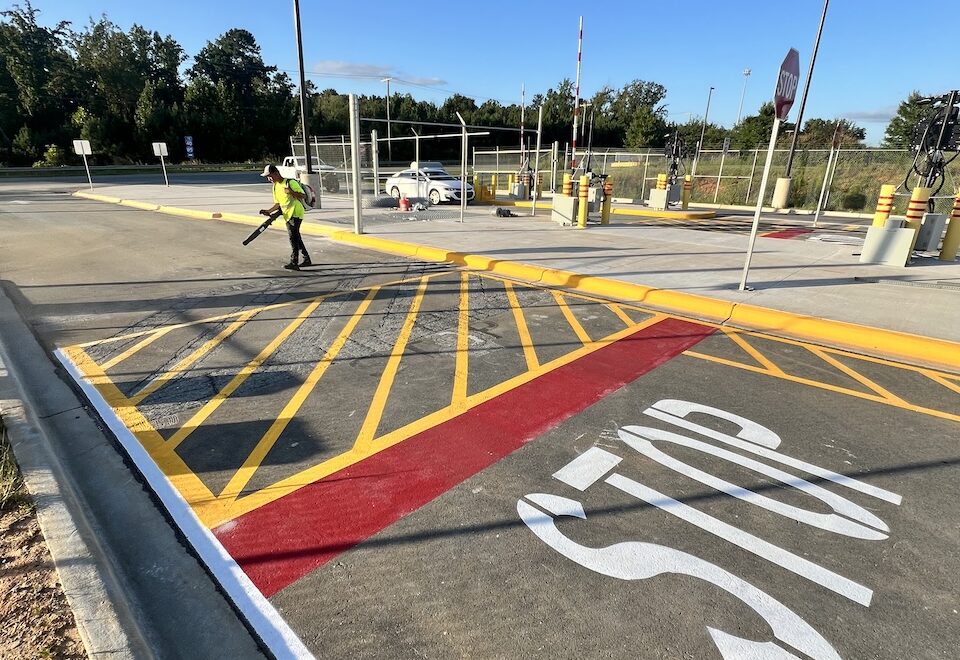
Before the winter season rolls in, have contractors visit your property for an inspection. Re-striping parking lots just before the cool weather arrives is a great way to set yourself up for success later. You want maximum vibrancy going into winter to offset the damage your Richmond parking lot striping will experience.

When re-striping parking lots, consider using paint formulated for better winter performance. Oil-based paints and thermoplastic striping are far more resilient than standard water-based paints. They bond tightly to asphalt and resist physical, chemical, and temperature-related damage.

Throughout the winter season, plan for routine touchups. Striping companies can’t work when temperatures are below 50 degrees Fahrenheit, but they apply paint on warmer days with ample sun exposure. Re-striping parking lots after storms is a great way to prevent minor issues from becoming major problems later.

CVA Striping is proud to be Richmond’s go-to striping contractor. We offer a wide range of paint options to suit your needs, including premium formulas that are resilient enough for the toughest winters. With years of experience and a dedication to quality results, you can’t go wrong trusting our team with your next striping project. We’re available for parking lot striping, re-striping, fire line striping, curb painting, sealcoating, asphalt repairs, wheel stop installation, ADA compliance, and more.

Give CVA Striping a call today at (804) 432-3255 to learn more and request your free quote. You can also email us at cvastriping@gmail.com or use our online form to get in touch.
The Safety Essentials of Richmond Fire Lane Striping
Latest Blog

The Safety Essentials of Richmond Fire Lane Striping
The Safety Essentials of Richmond Fire Lane StripingThe Safety Essentials of Richmond Fire Lane Striping
When it comes time to complete Richmond parking lot striping projects, many property owners and managers focus on the basics, such as stall markings, ADA-compliant features, and pedestrian crossing zones. However, there’s a lot more you need to ensure full code compliance. Richmond fire lane striping is a feature that many commercial and multi-family properties throughout the area need. In this blog, we’ll cover safety essentials and code requirements for fire line markings.

What Is the Purpose of Fire Line Markings?

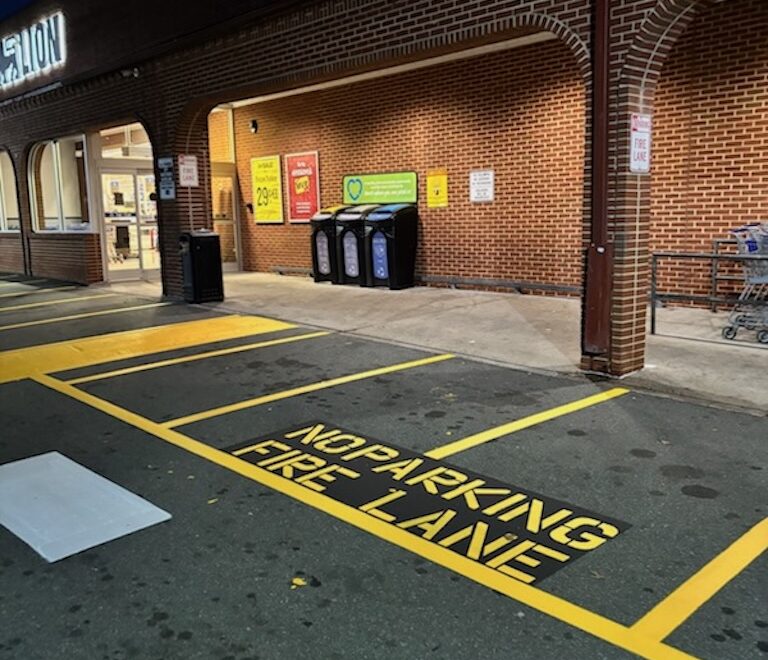
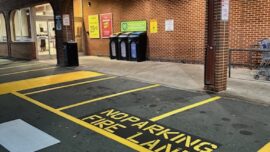
Fire lanes are designated areas that must remain unobstructed. Typically located in front of building entrances, fire lanes are strict no-parking zones. You must keep them clear of traffic. Emergency responders use them to gain quick access in the worst-case scenario.

In the event of an emergency, fire lane striping ensures that ambulances, EMTs, police officers, and firefighters can quickly and easily reach the building. Without them, emergency responders may waste valuable time searching for a space to park their vehicles. When every second counts, that wasted time can cost lives.

Fire lane striping contractors should follow the Virginia Statewide Fire Prevention Code when applying markings. The Richmond Department of Fire and Emergency Services governs and mandates fire lanes throughout the area.

What Types of Properties Need Richmond Fire Lane Striping

Not all properties need to hire striping companies to create fire lanes. Single-family homes don’t need them, and publicly accessible properties with access roads that meet fire code usually don’t, either. However, commercial, multi-family lots, office buildings, industrial parks, or retail centers may need fire line markings. It all depends on the property’s design, building setbacks, and internal access drives. Certain design elements may trigger local fire code mandates.

Ultimately, it’s at the discretion of the fire marshal. The best approach is to contact a local fire marshal for a pre-inspection. They can help determine site-specific obligations. Once you know what you need, you can have fire lane striping contractors apply markings based on any requirements.

Do Fire Lane Striping Companies Need to Use a Specific Color?

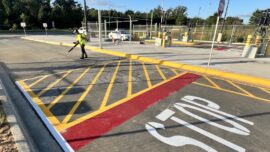
Fire lane striping companies need to use the color red to mark curbs adjacent to fire lanes. If there are no curbs, striping companies should create six-inch red lines to mark the fire lane boundaries. Red is the universal color for fire safety. It’s instantly recognizable, making it easy for emergency responders to find.

In addition to curb or pavement markings, fire lane striping contractors should apply the words “FIRE LANE NO PARKING” at repeating intervals.

Does Richmond Fire Lane Striping Need to Follow Specified Dimensions?

When applying your parking lot striping and fire lanes, contractors should take accurate measurements to ensure that everything meets minimum code requirements. Fire lanes need an unobstructed width of at least 20 feet. If the building requires access by an aerial ladder truck or is near a fire hydrant, the fire lane must be at least 26 feet wide.

Fire marshals can provide specific information that fire lane striping contractors will follow to ensure full compliance.

How Do Fire Lanes Fit Into a Larger Parking Lot Striping Maintenance Plan?

You should treat your fire lanes like the rest of your Richmond parking lot striping. Every marking in your parking lot works together to create a safe, accessible environment that serves your property and business. Invest in routine parking lot striping service to keep all paint vibrant.

Fire lane striping companies recommend getting routine inspections. During these visits, experts will let you know when restriping is necessary. For most properties, the standard is every 18 to 24 months.

If you want more time between service appointments, consider using more premium paint formulas. Thermoplastic striping, for example, can last up to five years, making it a good option for Richmond parking lot striping and fire lanes.

CVA Striping is proud to be one of Richmond’s most trusted striping companies. We offer years of experience, high-quality paint formulations, and expertise in all federal, state, and local code requirements. We can ensure your property is up to code, safe, and beautiful. We’re available for new parking lot striping, restriping, curb painting, ADA compliance, asphalt repairs, sealcoating, wheel stops, signage, and more.

Give CVA Striping a call today at (804) 432-3255 to learn more and request a free quote. If you prefer, you can also email cvastriping@gmail.com or use our online contact form.