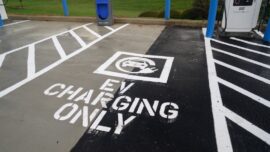
Parking lot signs play an essential role in managing traffic, enhancing safety, and improving the overall efficiency of parking facilities. They serve as essential tools for guiding drivers and pedestrians, marking designated areas, and enforcing local parking regulations.
From small private lots to large public garages, the right signage can prevent accidents, ensure compliance with accessibility standards, and create a seamless and stress-free parking experience. In this blog, we will explore the numerous reasons why investing in high-quality parking lot signs is crucial for any property manager or business owner looking to optimize their parking area.
Types of Parking Lot Signs
Parking lot signs are a critical component of effective parking management and safety. They guide, inform, and regulate both pedestrian and vehicle traffic, ensuring a smooth and secure parking experience. Various types of signs are utilized to address different needswithin a parking lot, from directing traffic flow to ensuring spaces are reserved for those who need them most. Below are some of the common types of parking lot signs:
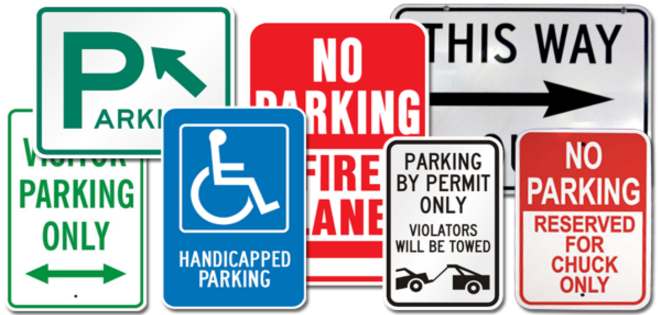
- Stop Signs: Critical for regulating traffic flow and ensuring vehicles come to a complete halt at necessary points.
- Handicapped Parking Signs: Designate parking spaces reserved exclusively for disabled individuals, ensuring accessibility.
- No Parking Signs: Indicate areas where parking is prohibited to facilitate smooth traffic flow and access to emergency zones.
- Reserved Parking Signs:Reserved spots for specific individuals or groups, such as employees or expectant mothers.
- Custom Parking Signs: Can include company logos, time restrictions, or other unique guidelines specific to the parking lot’s rules.
- Directional Parking Signs: Guide drivers towards entrances, exits, and different sections of the parking lot, such as visitor parking or employee parking.
- Pedestrian Crossing Signs: Alert drivers to areas where pedestrians are likely to cross, enhancing safety.
- Parking at Your Own Risk Signs: Notify users that the parking facility is not liable for theft or damage to vehicles.
- Speed Limit Signs: Help control the speed of vehicles within the parking lot to prevent accidents
Influence of Signage on Parking Lot Design
Effective signage in parking lots is crucial for guiding drivers and ensuring safety and compliance with regulations. Properly designed and strategically placed signs can dramatically impact the functionality and user-friendliness of a parking area. In this blog, we’ll explore the importance of parking lot signs and the various roles that signage plays in parking lot design, including enhancing safety, improving accessibility, and ensuring efficient traffic flow.
Effective Parking Lot Signage Can Reduce Accidents
Signs in parking lots, such as stop signs and no parking anytime signs, play a vital role in preventing accidents. They provide clear instructions to drivers, helping to manage vehicle movements and reduce conflicts. For example, clearly marked pedestrian crossings and well-placed stop signs can significantly decrease the likelihood of collisions between vehicles and pedestrians.
Signage Promotes Accessibility for Diverse Users
Proper signage greatly enhances accessibility in parking areas. Handicapped parking signs and reserved parking signs are essential to ensure that spaces are available for those with disabilities. Signs that are easy to read and understand promote inclusivity, ensuring that all users, regardless of their physical capabilities, can navigate the parking lot efficiently.
Optimized Traffic Flow Through Strategic Sign Placement
The placement of parking lot directional signs is critical in guiding drivers and optimizing the flow of traffic. Signs that indicate entry, exit, and one-way directions help avoid confusion and reduce the potential for traffic jams within the lot. This strategic placement of signs ensures a smoother and quicker navigation experience for everyone.
Enhanced Pedestrian Safety with Clear Signage

Parking lots can be hazardous for pedestrians if not properly managed. Signage like pedestrian crossing signs and parking at your own risk signs alert drivers to areas where they need to be particularly cautious. This enhances safety for pedestrians and helps drivers navigate the parking space more safely.
Cost Savings from Efficient Signage
Efficient signage can lead to significant cost savings for parking lot operators. With the right signs in place, such as parking space signs and no-parking signs, the need for manual enforcement decreases, reducing labor costs. Additionally, effective signage can minimize damage to vehicles and property, thus saving on repair and maintenance costs.
Legal Compliance and Accessibility through Proper Signage in Parking Lots
Another critical function of parking lot signage is ensuring legal compliance. Regulations often require specific signs to be present in a parking lot, such as signs for disabled parking and custom parking signs indicating reserved areas. Compliance with these legal standards avoids potential fines and ensures that the parking lot is accessible to all users.
Effective signage helps in creating an intuitive navigation system

Good signage in a parking lot acts much like a map. Signs such as reserved parking signs and signs for parking help in creating an intuitive navigation system that guides drivers directly to available spots or specific areas like loading zones. This reduces frustration and enhances the overall user experience, making the parking lot more efficient and user-friendly.
Key Considerations for Safe and Compliant Signage in Parking Lots
The importance of parking lot signs is crucial for several reasons when designing a parking lot. Here are key considerations to ensure that your signage is both safe and compliant:
- Selection of Appropriate Signs: Choose the right types of signs for the specific needs of your parking lot. This includes stop signs, handicapped parking signs, and no parking signs to manage traffic and ensure accessibility.
- Visibility and Placement: Signs should be placed where they can be easily seen by drivers and pedestrians.
- Compliance with Legal Standards: All signage must meet local and federal regulations to avoid legal issues and fines. This includes the size, reflectivity, and positioning of the signs.
- Design and Messaging: The design and messaging on the signs should be clear and concise to communicate the rules and guide users effectively.
- Maintenance and Upkeep: Regularly check and maintain signs for wear and tear. Ensure they remain clear and legible to continue providing valuable guidance and information.
Ready to Enhance Your Parking Lot? Contact CVA Line Striping Today
If you want to improve your parking lot’s safety and efficiency, consider updating your signs and markings. CVA Line Striping, a leading line striping company, offers expert services in the application of high-quality, durable parking lot signs and road markings. Whether you need custom parking signs with your business logo or standard reserved parking signs, we have the expertise to help you create a well-organized and compliant parking area.
Importance of Parking Lot Signs FAQS
What Is the Purpose of Road Signs and Markings?Road signs and markings in parking lots serve to direct traffic, inform drivers and pedestrians about regulations, and ensure safety. They include essential signs like parking space signs and directional signs, which help prevent accidents and improve the flow of vehicles and pedestrians.
What Is the Typical Lifespan of a Parking Lot Sign?The lifespan of a parking lot sign can vary based on the material used and the environmental conditions. Typically, a well-made sign can last between 7 to 10 years. Signs in areas with extreme weather conditions may have a shorter lifespan and require more frequent replacement.
What Are the Legal Requirements for Parking Lot Signs?Legal requirements for parking lot signs vary by location but generally include specifications for the size, reflectivity, and placement of signs such as handicapped parking signs and stop signs. Compliance with these regulations is crucial to ensure accessibility and avoid legal issues.
Why Do We Need a Signage?Signage is essential in a parking lot for several reasons: it enhances safety by reducing confusion and potential conflicts, it ensures compliance with legal standards, and it improves the overall user experience by clearly marking parking spaces and directions.
What Is the Function of No Parking Sign?A no-parking sign indicates areas where stopping or parking vehicles is prohibited. These are crucial for keeping fire lanes clear, ensuring access to emergency vehicles, and maintaining smooth traffic flow within the parking lot.
Can I Customize Parking Lot Signs With My Business Logo?Yes, custom parking signs can indeed be designed to include your business logo or specific messaging. This increases brand visibility and allows for the communication of unique parking rules or instructions specific to the premises. At CVA Line Striping, we specialize in creating tailored signage solutions that reflect your brand identity and meet all regulatory requirements. Let us help you enhance your parking lot’s functionality and aesthetic appeal with custom signage.