Call Now : (804) 432-3255

Blog

House numbers on curbs serve as vital identifiers for your home, ensuring easy recognition for visitors, delivery services, and emergency responders. They play a crucial role in enhancing safety and efficiency, enabling swift navigation through neighborhoods and facilitating prompt assistance during emergencies. In this comprehensive guide, we’ll take you through the step-by-step process of painting house numbers on curbs, transforming them into clear, visible markers that leave a lasting impression.

Importance of Painting Visible House Numbers on Your Curbs

Ensuring that your house numbers are clearly visible on your curb is essential for several reasons. It enhances the curb appeal of your property and plays a crucial role in safety and convenience for emergency responders, delivery drivers, and guests. Visible house numbers make it easier for them to locate your home quickly and accurately, especially in case of emergencies or when navigating unfamiliar neighborhoods. Additionally, painted curb numbers can deter potential burglaries by clearly marking your property and making it easier for law enforcement to identify addresses.

10 Steps to Paint House Numbers on Your Curb

Follow these ten essential steps to ensure your home stands out and remains easily identifiable for visitors and emergency services alike, with a clear and professional house number painting. This guide will show you how to paint curb numbers effectively.

Step 1: Gather Necessary Materials

Before starting the painting process, gather all the materials you’ll need. This includes house number stencils or templates, painter’s tape, a measuring tape, a pencil or chalk, outdoor paint in your desired color, paint brushes or rollers, and protective sealant. Ensure you have everything on hand to avoid interruptions once you begin the project.

Step 2: Clean the Curb Surface

painting curb

Ensure that the curb surface is clean and free of debris, dirt, and grease. Use a broom or brush to sweep away any loose dirt, and if necessary, use a mild detergent and water to scrub the surface clean. Allow the curb to dry completely before proceeding. This step is crucial to ensure proper adhesion and longevity of the paint.

Step 3: Measure and Tape the Area

Using a measuring tape, mark the area where you plan to paint the house numbers. Use painter’s tape to outline the borders of the numbers, ensuring straight lines and proper spacing between digits. Take your time with this step to ensure precision and accuracy in the placement of the numbers.

Step 4: Sketch the Numbers

measuring tape

Using a pencil or chalk, lightly sketch the house numbers within the taped area. Take your time to ensure that the numbers are evenly spaced and properly aligned. This step serves as a guide for painting and helps ensure uniformity and readability of the numbers.

Step 5: Apply Primer (If Necessary)

If the curb surface is porous or has existing paint that may affect the adhesion of the new paint, consider applying a primer first. This will help create a smooth and even surface for painting the numbers, ensuring better color coverage and longevity of the paint job. Allow the primer to dry completely before proceeding to the next step.

Step 6: Paint the Numbers

Using outdoor paint in your chosen color, carefully fill in the sketched numbers using a paintbrush or roller. Apply the paint evenly and cover the entire area within the taped borders. Take your time with this step to ensure clean lines and full coverage of the numbers. Multiple thin coats may be necessary for best results.

Step 7: Add a Second Coat (If Needed)

Once the first coat of paint has dried completely, assess if a second coat is necessary for full coverage and vibrancy of color. Apply a second coat if needed, following the same process as before. This additional layer of paint will enhance the durability and visibility of the numbers, especially in harsh weather conditions.

Step 8: Remove Tape and Clean Up Edges

After the paint has dried, carefully remove the painter’s tape to reveal clean, crisp edges. Use a small brush to touch up any areas where the paint may have bled under the tape. This final step helps ensure professional-looking results and adds to the overall aesthetic appeal of the painted curb numbers.

Step 9: Apply Protective Sealant

primer
To ensure the longevity of your painted curb numbers, consider applying a protective sealant over the painted area. This will help protect the paint from fading, chipping, and other weather-related damage, prolonging the life of your curb numbers. Follow the manufacturer’s instructions for proper application and drying times.

Step 10: Maintenance Tips

Regularly inspect your painted curb numbers for any signs of wear or damage, and touch up as needed to maintain visibility and curb appeal. Additionally, consider reapplying protective sealant every few years to prolong the life of the paint. By staying proactive with maintenance, you can ensure that your painted curb numbers remain clear, legible, and attractive for years to come.

Boost Your Curb Appeal with Professionally Painted House Numbers

Make your house numbers pop with professionally painted solutions from CVA Line Striping. Clear and visible numbers enhance your home’s aesthetic and ensure easy navigation for visitors and emergency services. Our services, including line striping and painting address numbers on curbs, are designed to improve both the aesthetics and functionality of your home exterior. With meticulous attention to detail and expert craftsmanship, we specialize in painting house numbers on curbs, painting street numbers on curbs, and sidewalk house number painting, ensuring that your house numbers stand out with clarity and style. Let us help you create a lasting impression and make navigation easier for guests, delivery drivers, and emergency responders.

Painting House Numbers on Curb FAQs

How Much Does It Cost to Paint Curb Numbers?The cost of painting curb numbers can vary depending on several factors, like the size and design complexity of the numbers, the type of paint used, and any additional services required, such as surface preparation or sealing. For accurate pricing tailored to your specific project requirements, it’s best to consult professionals like CVA Line Striping.
What Is the Best Size for House Numbers?The best size for house numbers depends on various factors such as the distance from the curb to the house, the visibility from the street, and local regulations. As a general guideline, house numbers should be large enough to be easily readable from a distance, typically between 4 to 8 inches in height.
What Is the Most Visible Color for House Numbers?The most visible color for house numbers is typically black or dark blue, as they provide a strong contrast against most curb surfaces. These colors stand out prominently, especially when placed on a lighter background.
Why Is It Important to Have House Numbers on the Curb?House numbers on the curb help visitors, delivery services, and emergency responders identify themselves easily, facilitating efficient navigation and potentially saving lives during emergencies.
How to Make House Numbers Stand Out?Choose large, contrasting colors to make house numbers stand out and ensure they are well-lit and unobstructed for optimal visibility.
Should House Numbers Be Vertical or Horizontal?The orientation of house numbers, whether vertical or horizontal, depends on personal preference and architectural style. Both orientations can be effective if they are clearly visible and easily read.

How to Paint House Numbers on Curbs: 10 Essential Steps

Navigating a parking lot safely and efficiently depends heavily on the presence and clarity of its signage. Parking lot signs not only guide drivers and pedestrians but also enforce rules, enhance safety, and ensure smooth operation within the area. This blog offers a comprehensive overview of the essential types of parking lot signs, each designed to address specific needs—from regulatory compliance to directional assistance.

Whether you’re a business owner looking to improve your property’s parking system or a driver seeking to understand the signs you encounter, understanding these key sign types will help you navigate parking areas with ease and confidence. Join us as we delve into the various categories of parking lot signs, their purposes, and why they are indispensable in any well-organized parking environment. By exploring parking lot symbols, parking lot safety signs, and parking lot signage standards, you will gain a comprehensive understanding of how these elements contribute to a safer and more efficient parking experience.

What Are the Types of Parking Lot Signs?

Parking lot signs play a crucial role in facilitating safe and efficient vehicle and pedestrian movement within parking areas. These signs come in various types, each designed to serve specific purposes such as regulation, direction, information, and safety. Understanding the different types of parking lot signs and their meanings can help improve compliance and reduce accidents.

1. Regulatory Signs

Regulatory signs in parking lots enforce specific rules and directives to ensure the safety and efficient use of space. Important regulatory signs include:

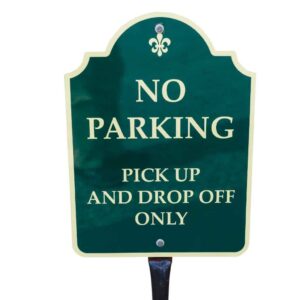
  • No Parking:Indicates areas where stopping or parking vehicles is prohibited to ensure clear access.
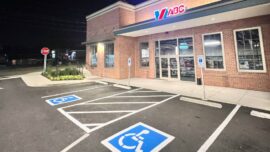
  • Handicap Parking: Designates parking spaces reserved exclusively for individuals with disabilities, providing closer access to facilities.
  • Fire Lane: Identifies crucial access lanes that must always remain clear for emergency vehicles.
  • Speed Limit: Specifies speed limits within the parking lot to enhance safety for all users.
  • Reserved Parking Signs: Marks spaces reserved for specific individuals or groups, such as company vehicles, employees, or customers.

These signs help maintain order and safety, ensuring that specific rules are followed in the parking lot.
regulatory sign

directional sign

2. Directional Signs

Directional signs help manage the flow of traffic within a parking lot by providing clear directions. These include:

  • Entrance/Exit: Signage clearly marking where vehicles can enter or exit the parking lot.
  • One-Way: Indicates that traffic in a lane or area flows only in one direction, helping to prevent collisions and confusion.
  • Arrow Signs: Provides direction to specific areas, such as additional parking spaces or exits, ensuring smooth traffic movement.

These parking lot signage standards are crucial for preventing confusion and enhancing the flow of traffic, making navigation easier and safer for everyone.

3. Informational Signs

information sign

Informational signs communicate necessary details about the parking lot’s policies and operational aspects:

  • Hours of Operation: Displays the times when the parking lot is open for use.
  • Rates and Payment Information: Provides information on parking fees and payment methods.
  • Terms and Conditions: Outlines the rules and guidelines for using the parking facility.

Providing this information helps users understand the parking lot’s regulations and fees, ensuring transparency and reducing potential disputes.

4. Custom Parking Signs

Custom parking signs can be tailored to meet a parking lot’s specific needs, including branding elements, special instructions, or unusual rules that might not be covered by standard signs.

5. Warning Signs

warning sign

Warning signs alert drivers and pedestrians to potential hazards within the parking lot:

  • Pedestrian Crossing: Indicates crossings where drivers should yield to pedestrians.
  • Speed Bumps: Warns drivers of speed bumps that help reduce vehicle speed to safe levels.
  • Surveillance and Security: Notifies everyone that the area is under constant surveillance, aiming to deter theft and enhance security.

These signs enhance safety by alerting drivers and pedestrians to potential dangers.

6. Temporary Signs

temporary sign

Temporary signs address short-term conditions or events affecting the parking lot:

  • Event Parking: Directs attendees to designated parking areas during events.
  • Construction Notices: Informs about ongoing construction activities and redirects traffic away from construction zones to prevent accidents and confusion.

These temporary signs help manage changing conditions and special events, ensuring safety and order during these periods.

7. Accessibility Signs

Beyond the standard handicap parking signs, other ADA-compliant accessibility signs might include:

  • Van Accessible: Designates spaces specifically wide enough for vans with accessibility features.
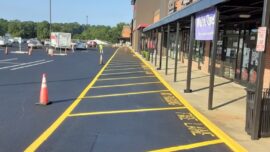
  • Access Aisle: Marks the striped areas adjacent to handicapped spaces where no parking is allowed to ensure space for wheelchair users to transfer.

8. Safety Signs

safety sign

These signs focus on the broader aspects of safety in parking lots:

  • Stop Signs: Used at intersections within the parking lot to manage right-of-way and prevent accidents. Parking lot stop signs are crucial for maintaining order and safety.
  • Yield Signs: Alerts drivers to yield to crossing traffic or pedestrians.
  • Children at Play: Warns drivers to be extra cautious because children might be present.

These parking lot safety signs ensure a secure environment for all users by managing traffic flow.

9. Electric Vehicle Charging Signs

With the rise of electric vehicles, these signs are becoming more common:

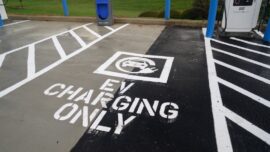
  • EV Charging Station: Indicates spaces reserved for electric vehicle charging.
  • EV Charging Rules: Provides instructions or rules related to the use of electric vehicle charging stations.

10. Service Signs

These signs are used to direct visitors to various services or facilities:

  • Pick-Up and Drop-Off Zones: Designates areas specifically for quick stops for dropping off or picking up passengers or goods.
  • Customer Parking Only: Specifies areas reserved exclusively for customers, often seen in lots associated with businesses or retail centers.

Why are Parking Lot Signs Important?

Parking lot signs play a pivotal role in maintaining a safe and efficient parking environment. They regulate traffic, ensure compliance with laws, and enhance overall security. These signs include street parking signs, parking signals, and various signs for parking lots, such as stop signs and symbols. Understanding parking signs and their meanings is crucial for navigating and adhering to the rules within parking areas. Parking lot signs are important for several key reasons:

  • Safety and Order: They ensure safety and order by managing vehicle and pedestrian traffic and preventing accidents with signs like stop signs, speed limits, and pedestrian crossings.
  • Regulatory Compliance: Signs such as no parking, handicap parking, and fire lane markings help meet legal requirements and avoid fines.
  • Efficient Traffic Flow: Directional signage, including entrance, exit, and one-way signs, guides drivers smoothly, reducing congestion and speeding up the parking process.
  • Information Communication: Informational signs provide crucial details like operational hours, rates, and parking policies, ensuring transparency and preventing disputes.
  • Security and Surveillance: Signs indicating surveillance improve security by deterring theft and vandalism.
  • Support for Special Needs: Accessibility signs ensure inclusivity for individuals with disabilities or families with children.
  • Adaptability to Temporary Situations: Temporary signs manage expectations and maintain order during events or construction.

Overall, parking lot signs enhance parking facilities’ functionality, safety, and user experience, making them indispensable in managing an effective parking environment.

Take Your Parking Lot to the Next Level with Proper Signage

We understand the importance of a well-organized parking lot at CVA Line Striping LLC. Proper signage enhances safety and compliance and elevates the overall user experience. With our expertise, we can help you design and implement a comprehensive signage plan that will transform your parking lot into a model of efficiency and security. From essential regulatory and directional signs to custom solutions tailored to your specific needs, our team ensures that your parking area supports smooth operation and easy navigation. Upgrade the functionality and appearance of your parking lot with us. Let the leading line striping company help you take your parking lot to the next level!

Types of Parking Lot Signs FAQs

Why Do We Need Parking Lot Signs?Parking lot signs are crucial for safety, regulation, and efficient traffic flow. They provide vital information, direct vehicles and pedestrians, ensure compliance with legal requirements, and enhance the overall functionality of parking areas.
What Is the Symbol for Car Parking Lights?The symbol for car parking lights, often referred to as the parking lamp symbol, is usually depicted as a small light bulb or lamp with lines indicating light emanating from it, found on the vehicle’s dashboard.
What Is the Three-Second Rule?The three-second rule in driving refers to a safety guideline that advises drivers to maintain at least three seconds of following distance from the vehicle in front of them. This distance helps ensure enough reaction time to avoid collisions, especially in high-speed driving conditions.
What Are the Three Main Categories of Signage?The three main categories of signage are Regulatory Signs, Directional Signs, and Informational Signs.
What Is the Parking Prohibited Symbol?The parking prohibited symbol typically features a red circle with a blue background and a red diagonal line running through it, indicating that parking is not allowed in that area.
How Many Types of Signs Are There?In the context of traffic and parking management, there are generally considered to be five main types of signs: Regulatory Signs, Warning Signs, Guide Signs, Street Name Signs, and Informational Signs.

Essential Parking Lot Sign Types: A Complete Overview