Call Now : (804) 432-3255

Blog

At CVA Line Striping, we believe that creating an inclusive environment starts with accessible parking. Handicapped parking spots are more than just designated spaces. They are essential for ensuring that everyone, including individuals with disabilities, can access facilities comfortably and safely.
In this blog, we’ll explore the top benefits of handicap parking and explain why every facility should prioritize these spots. From enhancing accessibility and safety to promoting inclusivity and legal compliance, handicapped parking spots play a vital role in making your facility welcoming and accessible to all. Let’s dive into the key reasons why handicapped parking is so important and how it can positively impact your community.

What are the Benefits of Handicap Parking

Handicap parking spots are more than just a convenience—they are vital for creating an inclusive environment that welcomes everyone, especially those with disabilities. These spots not only enhance accessibility but also boost safety, ensure legal compliance, and significantly increase overall customer satisfaction. Let’s dive into the specific benefits that make handicapped parking so essential.

Improved Accessibility for People with Disabilities

Handicap parking spots are more than just a convenience—they are vital for creating an inclusive environment that welcomes everyone, especially those with disabilities. These spots not only enhance accessibility but also boost safety, ensure legal compliance, and significantly increase overall customer satisfaction. Let’s dive into the specific benefits that make handicapped parking so essential.

Legal Compliance and Regulations

Providing handicapped parking spots ensures compliance with legal requirements such as the Americans with Disabilities Act (ADA). Failure to comply with these regulations can result in significant fines and legal repercussions. By adhering to these standards, facilities demonstrate their commitment to accessibility and avoid legal issues. This also helps maintain a positive relationship with regulatory bodies.

Promoting Inclusivity and Equal Opportunities

Handicap parking promotes inclusivity and equal opportunities by ensuring that people with disabilities have the same access to facilities as everyone else. This commitment to inclusivity sends a positive message to the community, showing that the facility values all its visitors and strives to accommodate their needs. Such efforts can enhance community support and goodwill.

Enhanced Safety for Disabled Individuals

Handicap parking spots enhance safety for disabled individuals by providing a designated area that minimizes the risk of accidents. These spots are designed with extra space to accommodate mobility aids like wheelchairs and walkers, reducing the risk of injury when entering or exiting a vehicle. This additional space ensures a safer environment for all users.

Convenience for Caregivers and Families

Handicap parking spots offer convenience for caregivers and families assisting individuals with disabilities. These spaces are often larger and closer to entrances, making it easier to load and unload necessary equipment. This added convenience supports caregivers in their role, making things less stressful. It also allows for smoother and quicker transitions from car to destination.

Increased Customer Satisfaction and Loyalty

Facilities that provide adequate handicap parking spots can see increased customer satisfaction and loyalty. Customers appreciate the thoughtfulness and accessibility, leading to positive experiences and repeat visits. This can be particularly beneficial for businesses looking to build a loyal customer base. Satisfied customers are more likely to recommend your facility to others.

Positive Business Reputation and Image

A positive business reputation and image can be enhanced by providing handicap parking spots. This demonstrates a commitment to accessibility and inclusivity, which can attract a broader customer base and enhance the facility’s public image. Businesses known for their inclusive practices often enjoy better community support. This can lead to greater community engagement and business success.

Better Utilization of Parking Space

Designating specific areas for handicapped parking ensures better utilization of parking space. These spots are strategically placed to maximize accessibility and convenience. Properly marking and maintaining handicap parking can improve the overall efficiency of the parking lot. Efficient use of space benefits both the facility and its users.

Encouraging Mobility and Independence for Disabled Persons

Handicap parking encourages mobility and independence for disabled persons by providing them with the means to access various facilities on their own. This empowerment can significantly improve the quality of life for individuals with disabilities, promoting greater self-sufficiency. Having accessible parking options helps individuals feel more independent and confident in their daily activities.

How to Implement Handicap Parking in Your Facility?

Implementing handicapped parking in your facility involves careful planning and adherence to regulations. From assessing the need to designing the layout and maintaining the spaces, each step is vital in providing a welcoming environment for all visitors. By taking a systematic approach, you can create a parking area that is both compliant with legal requirements and accessible to everyone.

Assessing the Need for Handicap Parking Spots

Assessing the need for handicapped parking spots is the first step in implementation. Start by evaluating the number of visitors with disabilities who frequently use your facility. This can be done through observation, surveys, or analyzing visitor data. Consider the layout of your parking lot, including the proximity of existing parking spaces to building entrances.
Ensure there are enough spots to meet demand, taking into account the guidelines set forth by the ADA. The ADA generally recommends that at least one handicapped parking space be provided for every 25 standard parking spaces. By understanding your facility’s specific needs, you can plan effectively to meet both regulatory requirements and the needs of your visitors.

Design and Layout of Handicap Parking Spots
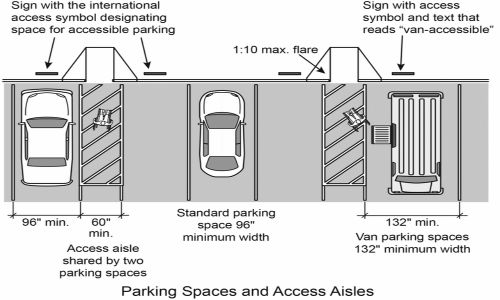
design and layout of handicap parking spots

The design and layout of handicap parking spots should adhere to ADA guidelines to ensure they are accessible and user-friendly. This includes mak

ing sure the spaces are wide enough to accommodate vehicles with ramps or lifts, typically at least 8 feet wide, with an adjacent access aisle of at least 5 feet for standard spaces and 8 feet for van-access

ible spaces. These spots should be located near accessible entrances to minimize the distance that individuals with disabilities need to travel.

Clear signage is crucial; each handicap parking spot should have a sign displaying the International Symbol of Accessibility mounted at least 60 inches above the ground. Proper markings, including blue and white paint, should be used to delineate the parking spaces and access aisles, ensuring they are easily visible to all drivers.

Maintenance and Monitoring of Handicap Parking

Regular maintenance and monitoring of handicap parking spots ensure they remain functional and accessible. This includes tasks such as repainting faded lines, repairing any damage to the pavement, and ensuring that the signage remains visible and in good condition. Regularly check the spaces for any obstacles or debris that might hinder accessibility.
Monitoring the use of these spaces is also important to prevent misuse; consider implementing a system where staff or security personnel periodically check that vehicles parked in handicap spots display the appropriate placards or plates. Consistent upkeep demonstrates a commitment to accessibility and keeps the facility in compliance with regulations. Additionally, it reassures visitors that their needs are taken seriously, which can enhance their overall experience and satisfaction with your facility.

FAQs About Handicap Parking

What Do the Different Color Handicap Signs Mean?

Different-colored handicap signs can indicate various designations. For example, blue signs typically denote standard handicapped parking, while other colors, like yellow, may signify temporary or specific use.

How to Apply for a Handicap Parking Permit?

To apply for a handicap parking permit, complete the Disabled Parking Plates or Placard Application (MED 10) and submit it by mail to the Virginia DMV or in person at any DMV service center. The application must include a $5 fee and a disability certification from an authorized medical professional. If you already have a permanent placard, a new certification is not required for a license plate.

What Are the Penalties for Misusing Handicap Parking Spots?

Misusing handicap parking spots can result in significant penalties. Parking a vehicle in a space reserved for persons with disabilities or in a striped access aisle in violation of this section is punishable by a fine ranging from $100 to $500.

Are Handicap Parking Spots Different in Private vs. Public Facilities?

Handicap parking spots in private and public facilities must adhere to the same ADA regulations, although there may be additional local requirements. Ensuring compliance in both types of facilities is crucial for legal and accessibility reasons.

What to Do If You See Someone Illegally Parked in a Handicap Spot?

If you see someone illegally parked in a handicapped spot, you can report it to facility management or local authorities. Providing details like the vehicle’s license plate number and location helps address the misuse and keep the spots available for those who need them.

Can Temporary Disabilities Qualify for Handicap Parking?

Yes, temporary disabilities can qualify for handicapped parking. The Department of Motor Vehicles (DMV) offers temporary parking placards to individuals with temporary conditions that limit or impair mobility. These placards allow the holder to use designated handicapped parking spaces while their condition persists.

How Many Handicap Parking Spots Are Required by Law?

The number of required handicapped parking spots varies depending on the total number of parking spaces in a facility. ADA guidelines specify the minimum number to ensure adequate accessibility. Checking these regulations ensures your facility remains compliant.
Top Benefits of Handicap Parking: Why Every Facility Needs Handicap Parking Spots

Compliance with ADA parking requirements is essential. At CVA Line Striping LLC, we understand the importance of providing accessible parking spaces that meet ADA standards. This guide will walk you through everything you need to know about ADA parking dimensions, rules, and regulations.

From understanding the specific dimensions required for standard and van-accessible parking spaces to knowing the critical features such as proper signage and access aisles, this guide covers all aspects to ensure your facility is fully compliant and accessible to everyone. Whether you are designing a new parking facility or updating an existing one, this guide will help you meet ADA standards effectively.

ADA Parking Space Dimensions

ADA parking space dimensions are designed to accommodate a variety of vehicles and provide sufficient space for individuals with disabilities to maneuver safely. Let’s break down the dimensions required for standard and van-accessible parking spaces to ensure your facility meets all necessary standards.

Standard ADA Handicap Parking Space Dimensions

Standard Richmond, VA ADA handicap parking space dimensions are crucial for accommodating vehicles and ensuring enough space for individuals with disabilities. Each space should be at least 8 feet wide, providing ample room for a vehicle to park while allowing individuals to exit and enter their vehicles comfortably.

Additionally, each standard handicapped parking space must have an access aisle that is at least 5 feet wide. This layout allows for easy maneuverability, enabling individuals using wheelchairs or other mobility devices to navigate between their vehicle and the accessible route without difficulty. The access aisle serves as a critical area for safe and unobstructed movement, ensuring that individuals with disabilities can independently and comfortably transition from their vehicles to the building or facility entrance.

Van-Accessible ADA Parking Space Dimensions

Van-accessible spaces need more room than standard spaces to accommodate larger vehicles equipped with side-entry lifts or ramps. These spaces are designed to ensure that individuals using vans with side-entry features have sufficient space to deploy their lifts or ramps and enter or exit their vehicles safely.

Van-accessible spaces should either be 11 feet wide with a 5-foot access aisle or 8 feet wide with an 8-foot access aisle. This additional width is essential for accommodating vans’ larger footprints and the space required for side-entry mechanisms. The two options provide flexibility in parking lot design while maintaining the necessary space for van accessibility. Properly designed van-accessible spaces ensure that all individuals, regardless of the type of vehicle they use, can access the facilities comfortably and without obstruction.

Access Aisle Requirements for ADA Parking Spaces

Access aisles are a vital component of ADA parking spaces, providing the necessary space for individuals with disabilities to maneuver between their vehicles and the accessible route. Access aisles must meet several important criteria to ensure they are functional and accessible:

  • Level Surface: Access aisles must be level with the parking space to prevent barriers to movement. A level surface ensures that wheelchair users and individuals using other mobility devices can easily transition between their vehicles and the accessible route.
  • Stable and Slip-Resistant: The surface of access aisles must be stable and slip-resistant to provide a safe environment for movement. This helps prevent accidents and ensures that the aisle remains usable in various weather conditions.
  • Clearly Marked: Access aisles should be clearly marked with crosshatch patterns to discourage drivers from parking in them. Proper markings are essential in maintaining the aisles’ accessibility, ensuring that they remain unobstructed and available for their intended use.

ADA Rules and Regulations for Parking Spaces

Understanding and following ADA rules for parking spaces is vital for compliance. Here’s what you need to know about ADA rules and regulations for parking spaces to ensure that your facilities are both compliant and user-friendly.

Design and Layout Considerations

The design and layout of ADA parking spaces significantly impact accessibility. Proper planning is essential to ensure that these spaces are functional and meet the needs of individuals with disabilities. The design should consider factors such as the placement of parking spaces, the provision of adequate signage, and the quality of the surface and markings. By addressing these aspects, you can create a parking area that is both compliant with ADA standards and accessible to all users.

Proper Placement of ADA Parking Spaces

ADA parking spaces should be located as close as possible to the building entrance or accessible route. This placement minimizes the distance that individuals with disabilities need to travel, thereby enhancing convenience and safety. The accessible route should be clear of obstacles, providing a direct and unobstructed path from the parking space to the entrance. In multi-level parking structures, it is crucial to place accessible parking spaces on the level with the most direct access to the building entrance.

Signage Requirements for ADA Compliance

signage requirements for ada compliance

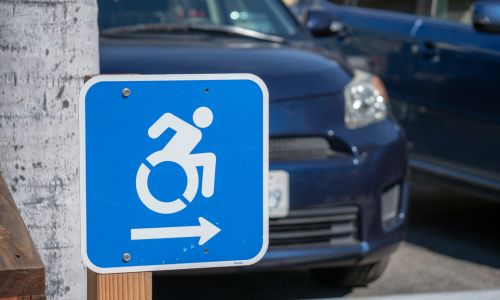
Signs are critical for ADA compliance and play a vital role in identifying accessible parking spaces. Each accessible parking space must have a sign displaying the International Symbol of Accessibility, which must be mounted at least 60 inches above the ground to ensure visibility. Additional signage is required to indicate that the space is specifically designed for van-accessible spaces, also mounted at least 60 inches above the ground.

Surface and Marking Requirements

The surface of ADA parking spaces must be smooth, stable, and slip-resistant to provide a safe and accessible environment for individuals with disabilities. The surface must be well-maintained and free of cracks or uneven areas that could pose a hazard. In addition to the surface quality, the markings on ADA parking spaces should be clear and easily visible. Using high-contrast colors for lines and symbols ensures that they stand out, making it easy for drivers to identify accessible spaces.

Slope and Ramp Requirements for ADA Parking

Understanding slope and ramp requirements is essential for maintaining accessibility in parking facilities. These regulations ensure that individuals with disabilities can navigate parking garages and other areas safely and easily.

Maximum Slope for Parking Garage Ramps

The maximum slope for parking garage ramps should not exceed a ratio of 1:12. This means that for every inch of height, there should be at least 12 inches of ramp length. This gentle slope ensures that ramps are manageable for wheelchair users and others with mobility impairments, providing a safe and accessible pathway.

ADA Regulations for Parking Ramp Slopes

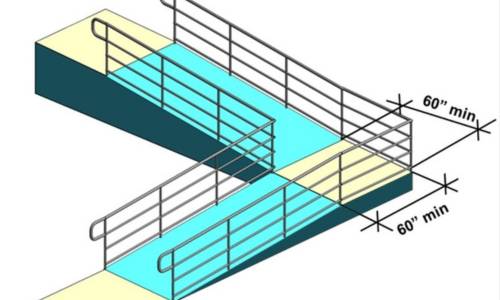
ADA Regulations for Parking Ramp SlopesADA regulations mandate that ramps have a maximum slope of 1:12 to be compliant. Additionally, ramps must be equipped with handrails on both sides to offer support and stability. The ramps’ surfaces should be constructed from non-slip materials to prevent accidents and ensure safe usage, particularly in adverse weather conditions.


Ensuring Compliance with Slope Requirements

To ensure compliance with ADA slope requirements, it is crucial to regularly inspect and maintain ramps. Regularly measure the slopes to confirm they meet the 1:12 ratio, check the condition of handrails, and ensure the surface materials are in good condition. Promptly address any deviations or damages to maintain compliance and ensure accessibility.

Benefits of ADA-Compliant Parking

ADA-compliant parking spaces offer numerous practical and legal benefits. Let’s discuss how they can positively impact your facility by enhancing accessibility, ensuring legal compliance, improving usability and safety, promoting inclusivity, and reducing liability.

Enhancing Accessibility for Disabled Individuals

By providing ADA-compliant parking, you enhance accessibility for disabled individuals. ADA parking dimensions are specifically designed to accommodate individuals with disabilities, allowing them to move freely and independently. Properly designed and located spaces can make a significant difference in the overall accessibility of your facility, ensuring that everyone has equal access to your services.

Legal and Financial Benefits of Compliance

Compliance with ADA regulations helps avoid legal issues and potential fines. It also demonstrates your commitment to inclusivity, which can enhance your reputation and attract more customers. Adhering to ADA handicap parking space dimensions and other ADA rules for parking spaces can save your facility from costly penalties and legal actions.

Improving Facility Usability and Safety

ADA-compliant parking improves overall facility usability and safety. Clear markings, proper signage, and well-maintained surfaces reduce the risk of accidents and injuries. Consistently maintaining ADA parking space dimensions and markings helps prevent confusion and ensures that the parking spaces remain functional and accessible at all times.

Promoting Inclusivity and Community Support

Providing accessible parking promotes inclusivity and shows support for the community. By adhering to ADA regulations for handicapped parking, you foster a culture of inclusivity and respect, which can strengthen community ties and support. Facilities that prioritize ADA compliance are often viewed more favorably by the public, enhancing their overall reputation and community standing.

Reducing Liability and Risk of Lawsuits

Non-compliance with ADA parking dimensions can lead to costly lawsuits. Ensuring your parking spaces meet ADA standards reduces liability and mitigates the risk of legal action. By proactively addressing ADA compliance, you protect your facility from financial and reputational damage while providing a safer and more accessible environment for all users.

ADA Parking Dimensions FAQs

What Are the Standard ADA Parking Space Dimensions?

Standard ADA parking space dimensions are 8 feet wide with a 5-foot access aisle. Van-accessible spaces require either 11 feet wide with a 5-foot access aisle or 8 feet wide with an 8-foot access aisle.

How Many ADA Parking Spaces Are Required?

The number of required ADA parking spaces depends on the total number of parking spaces in the facility. Typically, at least one of every six accessible spaces must be van-accessible (source: ADA).

What Are the Signage Requirements for ADA Parking?

Each accessible parking space must have a sign with the International Symbol of Accessibility. Van-accessible spaces need additional signage indicating their suitability for vans.

What Is the Maximum Slope Allowed for Parking Ramps?

The maximum slope allowed for parking ramps is 1:12. This ensures a safe and accessible gradient for individuals using wheelchairs or other mobility aids.

How Do I Ensure My Facility Meets ADA Compliance?

To ensure your facility meets ADA compliance, regularly inspect parking spaces, signage, and ramps. Keep up-to-date with ADA regulations and make necessary adjustments).

What Are the Penalties for Non-compliance With ADA Parking Regulations?

Penalties for non-compliance with ADA parking regulations can include fines, legal fees, and required modifications.

Understanding ADA Parking Requirements: A Complete Compliance Guide