Call Now : (804) 432-3255

Blog

Fire lanes are vital for the safety and accessibility of emergency services, acting as lifelines in critical situations. By understanding and maintaining firelane line striping requirements we ensure that emergency vehicles can reach incidents swiftly and efficiently, potentially saving lives.

This blog will guide you through the essential aspects of fire lanes, including their purpose, signs, and maintenance. Proper fire lane management is crucial for community safety and compliance with regulations.

What is a Firelane and Why Are They Crucial for Safety?

A fire lane is a designated area that must remain clear for emergency vehicles, usually marked by fire lane signs and fire lane stencils. These lanes are crucial for:

  • Providing quick access during emergencies, allowing emergency responders to reach the scene without delay.
  • Minimizing response times, which can be critical in preventing the escalation of incidents.
  • Potentially saving lives by ensuring that emergency vehicles can navigate to and from the emergency site efficiently.

Firelane Line Striping Requirements

Fire lane signs in Richmond, VA are essential for indicating where parking is prohibited, ensuring that fire lanes remain clear for emergency vehicles. These signs play a critical role in maintaining the accessibility and functionality of fire lanes, which are vital for quick emergency response.

No Parking Fire Lane Signs
firelane striping requirements

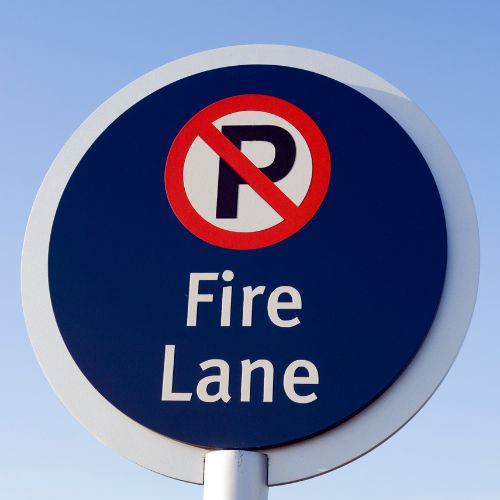
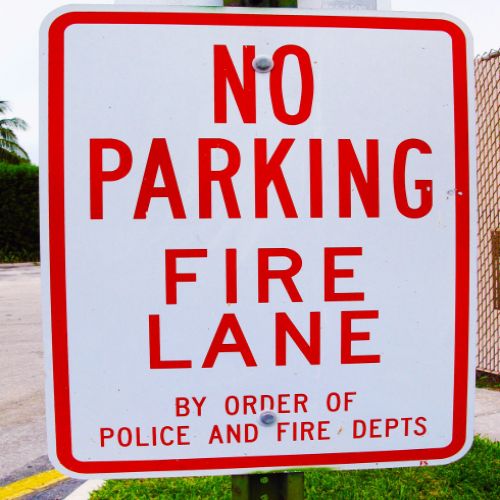
No parking fire lane signs are crucial for keeping fire lanes unobstructed. These signs clearly inform drivers that parking in these areas i

s illegal a

nd could block emergency access. They are typically placed at regular intervals along the fire lane and at key entry points to ensure visibility. The presence of these signs helps prevent u

nauthorized parking, which can delay emergency response times and put lives and property at risk. Additionally, no parking fire lane signs often include information about the penalties for violations, such as fines or towing, to deter potential violators.

Fire Lane Stencil

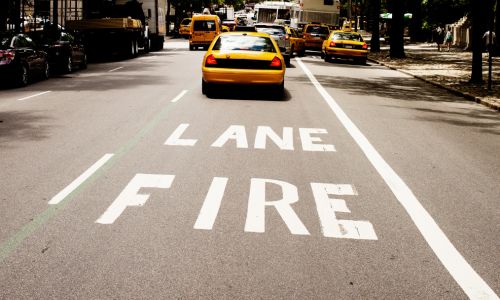
A fire lane stencil is used to mark the pavement, indicating the fire lane’s boundaries. These stencils are usually painted in bright, reflective colors like red or yellow, making them highly visible both day and night. Clear and visible stencils help drivers recognize and avoid parking in these critical areas. The stencils often include the words “FIRE LANE” or “NO PARKING FIRE LANE” to reinforce the message. Properly maintained stencils ensure that the fire lanes are always visible, even in adverse weather conditions or low light.

Fire Lane Signage with Reflective Material

Fire lane signage with reflective material enhances visibility, especially during nighttime or low-light conditions. These signs are made with high-intensity reflective sheeting that catches and reflects light, making them easily noticeable to drivers. Reflective fire lane signs are often used in conjunction with stencils to provide clear, unmistakable indicators of fire lane boundaries.

Pavement Markings
fire lane pavement markings

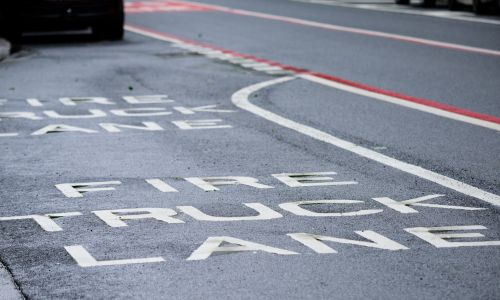
Pavement markings are another type of fire lane indicator that complements signs and stencils. These markings typically consist of painted lines, arrows, and other symbols that delineate the fire lane. Pavement markings are often used in areas with high traffic to provide additional guidance and ensure that fire lanes are kept clear. They can include words like “FIRE LANE” or directional arrows to indicate the designated area.

Curb Markings
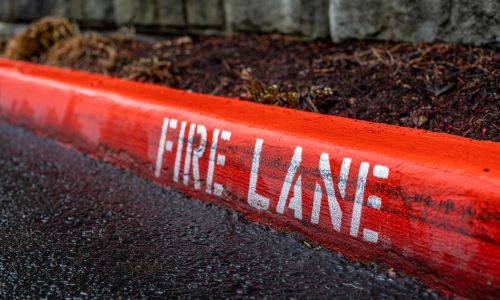
Curb markings involve painting the curbs adjacent to fire lanes, usually in bright colors like red or yellow, to indicate no parking zon

es. These markings are highly visible and serve as a continuous reminder to drivers not to park in fire lanes. Curb markings are especially useful in areas where signage alone might not be sufficient to prevent unauthorized parking.

Vertical Signage

Vertical signage includes poles or posts placed at intervals along the fire lane with signs mounted at a height visible to drivers. These signs can be more detailed, including messages like “Fire Lane – No Parking – Tow Away Zone,” providing clear instructions and consequences for violations. Vertical signage ensures that the fire lane designation is visible from a distance and from various angles.

Key Firelane Line Striping Requirements

Understanding and implementing key fire lane requirements are essential for safety and compliance. Proper design and maintenance ensure that fire lanes are functional and accessible in emergencies.

Fire Lane Access Requirements

Fire lane access requirements ensure that emergency vehicles can easily reach buildings and hydrants. These requirements include:

  • Maintaining a clear path free of obstructions.
  • Ensuring adequate space for emergency vehicles to maneuver.
  • Keeping access roads within 150 feet of all exterior walls of the first story of a building.

Fire Lane Code Requirements

Fire lane code requirements dictate the dimensions, signage, and maintenance necessary to keep fire lanes functional and compliant. Key elements include:

  • Specified widths based on roadway type and usage.
  • Proper fire lane striping and no parking fire lane signs.
  • Regular inspections to maintain compliance with local fire lane regulations.

Vertical Clearance and Surface Requirements

Fire lanes must have a minimum vertical clearance to accommodate emergency vehicles, typically at least 14 feet. The surface of fire lanes must be durable and capable of supporting the weight of emergency vehicles, which can be up to 80,000 pounds. Acceptable surfaces include asphalt, concrete, or approved alternatives.

Turning Radius and Grade Specifications

Fire lanes should have a turning radius that allows emergency vehicles to maneuver easily. The turning radius should typically be at least 30 feet. Additionally, the grade of the fire lane must be manageable, generally not exceeding a 10 percent slope, to ensure large vehicles can navigate safely.

Bridges and Elevated Surfaces Standards

Bridges and elevated surfaces within fire lanes must support the weight of emergency vehicles and have appropriate signage and markings. These structures should meet the same load-bearing requirements as standard fire lanes and provide clear indications of their capacity and boundaries.

Gates and Turn-Around Areas Regulations
Firelane Line Striping Requirements

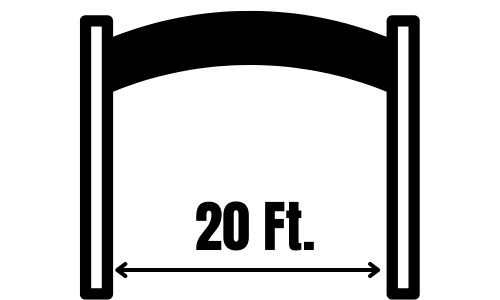
Gates should not obstruct fire lanes and must allow quick access for emergency vehicles. Specific requirements include:

  • Minimum gate widths of 20 feet.
  • Gates constructed from materials that allow manual operation by one person.
  • Electric gates equipped with emergency opening mechanisms, such as the Knox Rapid Entry System.
  • Turn-around areas are required for dead-end lanes exceeding certain lengths to ensure vehicles can exit easily.

How Are Fire Lanes Maintained and Kept in Compliance?

To keep fire lanes compliant with fire lane code requirements and ensure the safety and efficiency of emergency services, you should focus on several key maintenance tasks:

  • Repainting Fire Lane Striping
    Regularly refreshing the paint helps keep the fire lanes clearly visible, even in low light conditions.
  • Replacing Faded or Damaged Signs
    Make sure all fire lane signs are legible and in good condition to effectively communicate the no parking restrictions.
  • Verifying Proper Width
    Regularly measure and confirm that fire lanes meet the required width standards to accommodate emergency vehicles.
  • Clearing Debris and Obstacles
    Keep fire lanes free from any obstructions to maintain unobstructed emergency access.
  • Educational Campaigns
    Implement ongoing education and awareness programs to inform residents and businesses about the importance of keeping fire lanes clear.

Final Thoughts on Ensuring Safety and Compliance through Proper Firelane Line Striping Requirements

Proper fire lane requirements play a crucial role in protecting lives and property. When communities understand fire lane access requirements and maintain clear fire lanes, they significantly improve emergency response times and enhance overall safety. By adhering to these regulations, we create safer environments and reduce the risks associated with delayed emergency responses. We hope you find this information helpful and take the necessary steps to keep your fire lanes compliant. If you want professional help, trust CVA Line Striping LLC to assist you in maintaining effective fire lanes. Contact us today to ensure your community’s fire lanes are always ready for any emergency.

Firelane Requirement FAQs

What Are the Standard Dimensions for Fire Lanes?

Standard dimensions for fire lanes typically range from 12 to 20 feet in width, depending on local regulations and the type of emergency vehicles.

How Often Should Fire Lanes Be Inspected?

Fire lanes should be inspected regularly, at least once a year, to ensure they remain clear and compliant with fire lane code requirements.

Who Is Responsible for Maintaining Fire Lanes?

Property owners and managers are generally responsible for maintaining fire lanes. They should ensure that fire lane striping, signs, and markings are up-to-date and compliant.

What Are the Common Penalties for Blocking a Fire Lane?

Penalties for blocking a fire lane can include fines, towing of the vehicle, and potential legal consequences. These measures ensure that fire lanes remain clear for emergency access.

How Can Communities Ensure Compliance With Fire Lane Regulations?

Communities can ensure compliance with fire lane regulations by educating residents, conducting regular inspections. Communities can also work with professionals like CVA Line Striping LLC to maintain clear and compliant fire lanes.
Essential Firelane Line Striping Requirements: Ensuring Safety and Compliance

Fire lanes are crucial components in urban and suburban planning, designed to ensure the safety and accessibility of emergency services. These specially designated areas are essential for providing unobstructed access for fire trucks, ambulances, and other emergency vehicles. Without clear and accessible fire lanes, response times can be significantly delayed, which can be the difference between a manageable incident and a catastrophic event.
In this blog, we’ll delve into the purpose of a fire lane, explore what is fire lane, and discuss the characteristics and legal considerations that govern these critical areas. By the end of this blog, you’ll have a deeper appreciation of the importance of fire lanes and the role they play in protecting lives and property.

What is the Purpose of a Fire Lane in Richmond?

A fire lane in Richmond, VA is a designated area kept clear for emergency vehicles, particularly fire trucks, to access buildings and hydrants quickly. The primary purpose of a fire lane is to provide unobstructed access to emergency services during fires, medical emergencies, and other urgent situations. This accessibility can make the difference between a manageable incident and a catastrophic event. Key purposes of a fire lane include:

  • Fire lanes allow emergency vehicles to reach the scene of an incident quickly, minimizing response times.
  • They provide a clear path for fire trucks and other emergency vehicles to access buildings, hydrants, and other critical points.
  • By keeping these areas free of parked vehicles, fire lanes help ensure the safety of both emergency responders and the public.
  • Fire lanes can also serve as evacuation routes, making it easier to move people to safety during emergencies.
  • In addition to fires, fire lanes are essential for providing quick access during medical emergencies, ensuring that ambulances can reach patients promptly.

The Importance of Fire Lanes in Urban and Suburban Areas

importance of fire lane

Fire lanes are essential in both urban and suburban areas due to the density of buildings and the potential for rapid fire spread. In cities

, narrow streets and heavy traffic can impede emergency responses, making fire lanes vital for ensuring quick access. Fire lane striping and clear signage help to maintain these crucial pathways, preventing vehicles from obstructing emergency routes. In suburban areas, where homes and buildings may be more spread out, fire lanes still play a critical role in providing a clear path for emergency vehicles. This ensures that even in less densely populated areas, emergency services can reach incidents quickly and efficiently, protecting both lives and property.

Characteristics of a Fire Lane in Richmond, VA

Fire lanes are typically marked with clear, visible signs and distinctive striping to indicate no parking zones. These areas must remain unobstructed at all times to ensure they are ready for emergency use. Fire lanes are often located near building entrances, hydrants, and along the sides of streets where parking could block emergency access. Key characteristics of fire lanes include:

  • Clear, visible signs indicating no parking zones.
  • Distinctive striping on the pavement to highlight the fire lane area.
  • Unobstructed at all times for emergency use.
  • Strategic locations near building entrances and hydrants.
  • Placement along the sides of streets where parking could block emergency access.
  • Designed and maintained in accordance with local safety regulations.

Legal Considerations and Regulations For A Fire Lane In Richmond?

Local and national regulations govern fire lanes to ensure they are properly maintained and accessible. These regulations specify the dimensions, signage, and maintenance required to keep fire lanes functional and legally compliant. Key legal considerations and regulations for fire lanes include:

  • Mandatory Dimensions: Fire lanes must adhere to specific width and length requirements to accommodate emergency vehicles.
    Signage
  • Requirements: Clear, visible signs must be posted to indicate the presence of a fire lane and no parking zones.
  • Regular Maintenance: Fire lanes must be kept clear of obstructions and maintained to ensure visibility and accessibility.
  • Enforcement: Local authorities are responsible for enforcing fire lane regulations, including issuing fines for violations.
  • Zoning Laws: Fire lanes must comply with local zoning laws, which may dictate their placement and size.
  • Permitting: Any changes or new installations of fire lanes may require permits from local government agencies.

What Are No Parking Fire Lane Signs and Why Are They Important?

no parking fire lane signs

No parking fire lane signs are crucial markers that designate areas where parking is strictly prohibited to ensure that fire lanes remain clear for emergency vehicles. These signs are strategically placed in fire lanes to communicate to drivers that parking in these areas is illegal and could obstruct critical access for emergency responders. Key re

asons why no parking fire lane signs are important include:

  • These signs help keep fire lanes clear, allowing emergency vehicles to reach their destinations quickly and without delay.
  • By keeping fire lanes free of parked vehicles, these signs play a vital role in ensuring that emergency services can perform their duties effectively.
  • Parking in a fire lane is illegal and can result in fines and penalties. No parking fire lane signs help inform the public of these regulations and encourage compliance.
  • Clear signage makes it obvious where parking is prohibited, reducing the likelihood of accidental violations and ensuring that fire lanes are easily identifiable.
  • In emergencies, fire lanes also serve as critical evacuation routes. Keeping these areas clear ensures that people can evacuate safely and efficiently.

Fire Lane Richmond, VA Design and Layout

Designing fire lanes involves careful planning to ensure they meet legal requirements and effectively serve their purpose. Proper design and layout ensure that fire lanes remain accessible and functional during emergencies.

Factors Influencing Fire Lane Design

  • Building types and occupancy levels.
  • Expected traffic flow and street width.
  • Proximity to fire hydrants and emergency exits.
  • Local fire department requirements and recommendations.
  • Zoning laws and building codes.

Typical Dimensions and Specifications

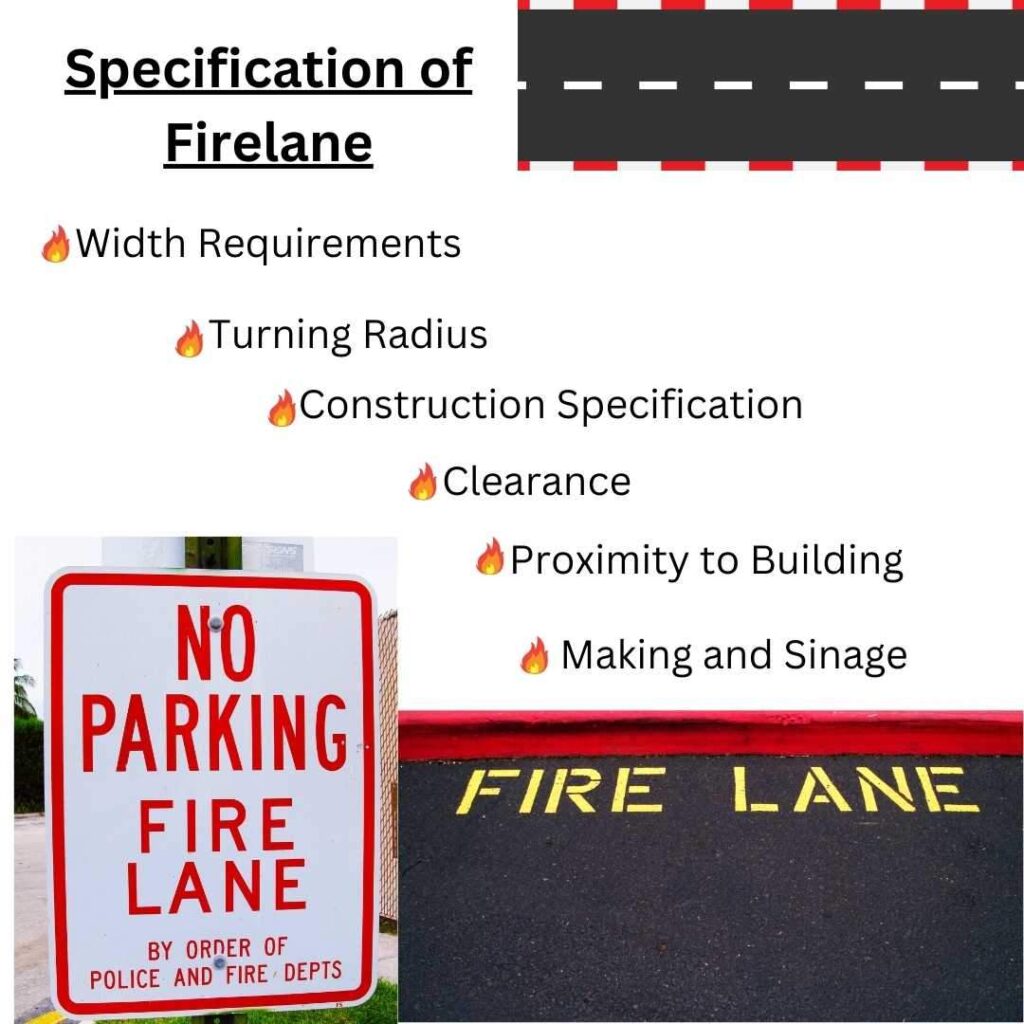
  • Fire Lane SpecificationsTypical dimensions and specifications for fire lanes are established to ensure they can adequately support emergency vehicles and operations. Key details include:
    • Width Requirements
      Fire lanes must be at least 24 feet wide for aerial apparatus access roads and generally range from 12 to 30 feet depending on the area and type of apparatus.

    • Turning Radius

The minimum turning radius is typically 30 feet for fire lanes up to 26 feet wide and 20 feet for lanes wider than 26 feet.

  • Clearance
    A minimum vertical clearance of 14 feet is required to accommodate emergency vehicles.
  • Proximity to Buildings
    Fire lanes for non-aerial apparatus should be within 15-30 feet of a building, as deemed necessary by fire safety authorities.
  • Construction Specifications
    Fire lanes should have an all-weather, dust-free driving surface capable of supporting an 80,000 lb. fire apparatus, typically constructed with a minimum 6-inch thick, 4000 PSI concrete surface.
  • Marking and Signage
    Fire lanes must be clearly marked with red traffic paint and signage indicating “NO PARKING FIRE LANE” at intervals of 25 feet on both sides of the lane. Signs must be 12 inches wide and 18 inches high, with red letters on a white background.

Final Thoughts on the Importance of Fire Lanes for Community Safety

Therefore, fire lanes are essential for ensuring emergency services can respond quickly, protecting lives and property. Their strategic placement and clear markings help maintain unobstructed access for emergency vehicles. By understanding and adhering to fire lane regulations, we can significantly enhance community safety and preparedness. Clear fire lanes mean faster response times and better outcomes during emergencies. Every member of the community plays a role in keeping these lanes accessible.
For expert fire lane striping services, trust CVA Line Striping LLC to ensure compliance and safety in your community. Contact us today to learn more about how we can help maintain clear and effective fire lanes in your area.

Fire Lane FAQs

What Is Considered Parking in a Fire Lane?

Parking in a fire lane means stopping or leaving a vehicle in an area designated as a fire lane, even temporarily. This can obstruct emergency access and lead to fines.

What Is Considered a Fire Lane?

A fire lane is an area marked by signs and striping indicating that parking is prohibited to ensure access for emergency vehicles.

What Is the Fine for Parking in a Fire Lane?

The fine for parking in a fire lane varies by location but can be substantial, reflecting the seriousness of the violation.

How Long Can You Park in a Fire Lane?

You cannot park in a fire lane at any time. These areas must remain clear for emergency use 24/7.

What Are the Dimensions of a Standard Fire Lane?

Standard fire lane dimensions typically range from 12 to 20 feet wide, depending on local regulations and the needs of emergency vehicles.

Can a Fire Lane Be Used for Temporary Loading and Unloading?

No, fire lanes must remain clear at all times. Using them for loading or unloading can obstruct emergency access and result in fines.

Are Fire Lanes Required in Residential Areas?

Yes, fire lanes are often required in residential areas to ensure emergency vehicles can access homes and other buildings quickly.

How Can You Report a Violation of Fire Lane Regulations?

To report a fire lane violation, contact your local fire department or law enforcement agency. They can take appropriate action to ensure compliance.

What Are the Consequences of Obstructing a Fire Lane?

Obstructing a fire lane can result in fines, towing of the vehicle, and delayed emergency response times, potentially endangering lives and property.

What is a Fire Lane? Understanding Its Purpose and Importance for Safety